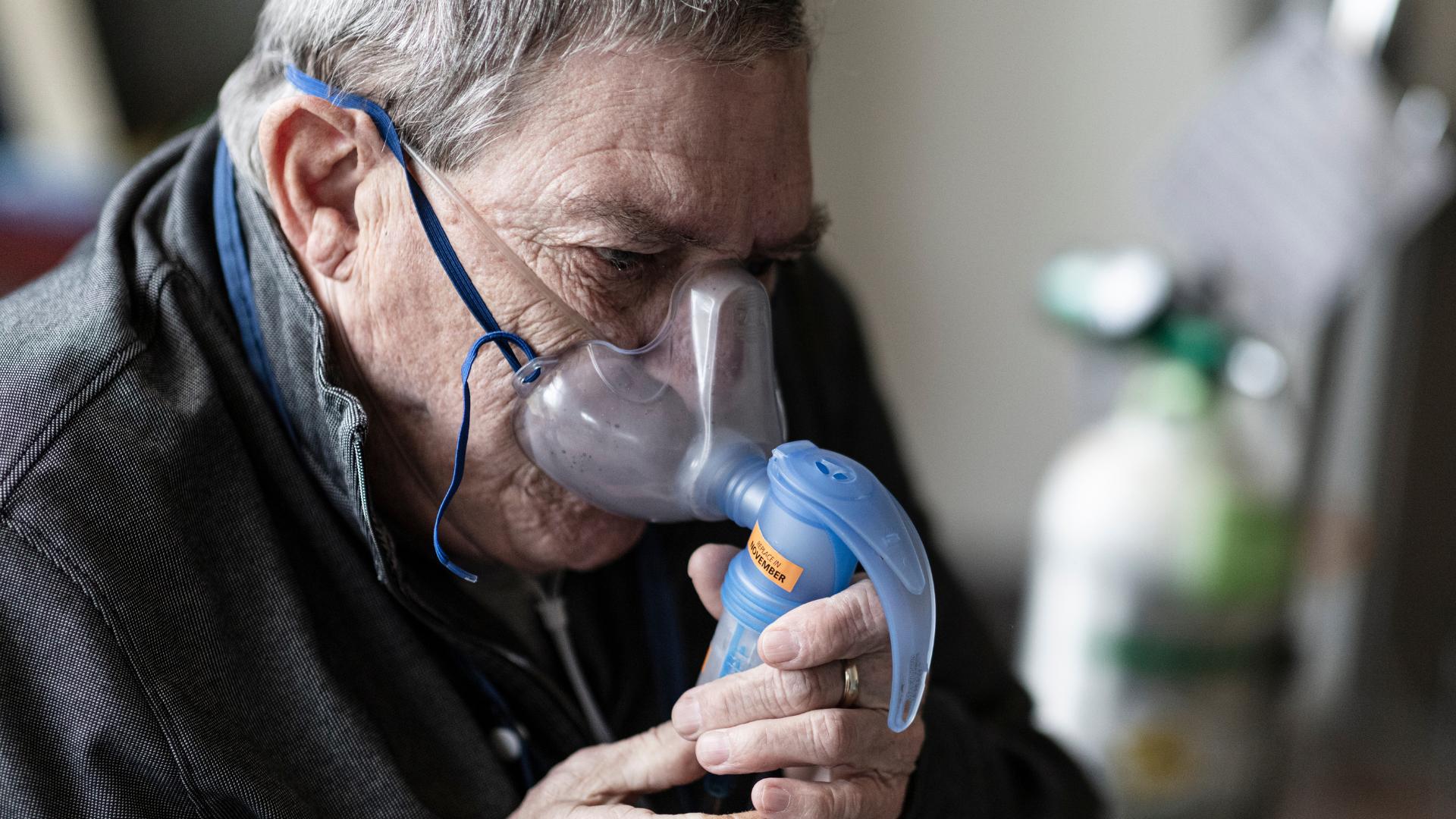
COPD (Chronic Obstructive Pulmonary Disease) is a long-term lung condition in which the airways become narrowed and the flow of air in and out of the lungs is reduced. It usually develops gradually over several years and can make everyday activities, such as walking, climbing stairs, or carrying out routine tasks, increasingly difficult. Common features include long-standing cough, increased mucus production, and progressive breathlessness. With early diagnosis, appropriate treatment, and regular follow-up, COPD symptoms can often be controlled and further lung damage slowed.
Dr. Rahul Nayak, Consultant Pulmonologist and Critical Care Specialist, provides comprehensive COPD evaluation and personalized treatment for adults experiencing chronic cough, recurrent chest infections, breathlessness, or reduced exercise capacity.
Common Symptoms of COPD
COPD symptoms often develop slowly and may be mistaken for normal ageing or a smoker’s cough. Common symptoms include:
- Breathlessness, especially during physical activity
- Long-standing (chronic) cough that does not go away
- Increased mucus or phlegm production
- Wheezing or a whistling sound while breathing
- Chest tightness or discomfort
- Frequent chest infections
- Reduced ability to carry out daily activities
Symptoms may remain stable for periods and then become suddenly worse during a flare-up (exacerbation).
What Causes COPD?
COPD develops when the lungs and airways are damaged over a long period. Common causes and risk factors include:
- Cigarette smoking (the most common cause)
- Long-term exposure to second-hand tobacco smoke
- Indoor air pollution, including smoke from cooking or heating fuels
- Occupational exposure to dust, fumes, and chemicals
- Outdoor air pollution
- Recurrent respiratory infections in early life
- Certain genetic factors (such as alpha-1 antitrypsin deficiency)
Identifying and reducing ongoing exposure, particularly stopping smoking, is one of the most important steps in managing COPD.
COPD Diagnosis
A proper diagnosis is important because symptoms such as cough, breathlessness, and wheezing can also occur in other respiratory conditions.
Dr. Rahul Nayak may evaluate your symptoms, medical history, smoking or exposure history, family history, and response to previous treatments. Depending on the individual case, investigations may include:
- Pulmonary Function Test (PFT)
- Spirometry
- Chest imaging when clinically indicated
- Oxygen level (saturation) assessment
- Blood tests when appropriate
- Additional investigations to rule out other respiratory conditions
The diagnosis and treatment plan are tailored according to the patient’s age, symptoms, severity, and overall health.
COPD Treatment
COPD treatment focuses on relieving symptoms, improving breathing and daily activity, reducing flare-ups, and slowing the progression of the disease.
Depending on the patient’s condition, treatment may include:
Bronchodilator Inhalers
Bronchodilators help relax and open the airways, making breathing easier. These are a core part of COPD treatment and may be prescribed for daily use or for relief of symptoms, selected according to the patient’s individual needs.
Inhaled Corticosteroid-Based Treatment
For selected patients, inhaled corticosteroid-based combination treatment may be used to reduce airway inflammation and lower the risk of flare-ups. Treatment is chosen based on symptom pattern, severity, and frequency of exacerbations.
Inhaler Technique
Using an inhaler correctly is essential for effective treatment. Dr. Nayak can help patients understand the correct inhaler technique and review it during follow-up visits.
Pulmonary Rehabilitation & Lifestyle Support
Breathing exercises, physical activity guidance, and lifestyle support can help improve stamina, reduce breathlessness, and maintain independence. Smoking cessation support and vaccination advice may also form part of long-term management.
What Should You Do If You Have COPD?
If you have COPD, regular management is important even when you are feeling relatively well.
You should:
- Take prescribed medicines as directed.
- Learn and use your inhaler correctly.
- Stop smoking and avoid second-hand tobacco smoke.
- Stay physically active within your comfort level.
- Keep up with recommended vaccinations.
- Recognize the early signs of a flare-up.
- Attend regular follow-up appointments.
- Seek medical advice if breathlessness or cough is worsening.
A personalized COPD action plan can help you understand your daily medicines, recognize worsening symptoms, and know when medical attention is required.
COPD and Exercise
Having COPD does not mean you must avoid physical activity. In fact, staying active within safe limits can help improve breathing, strength, and overall wellbeing.
If everyday activities regularly cause severe breathlessness, coughing, or exhaustion, speak with a pulmonologist. Your treatment plan may need to be reviewed and a suitable activity level guided.
When Is COPD an Emergency?
A severe COPD flare-up can become a medical emergency.
Seek urgent medical care if breathing difficulty is severe, symptoms are rapidly worsening, lips or fingertips appear bluish, you feel confused or very drowsy, or your prescribed treatment is not providing adequate relief. Emergency evaluation may be necessary when symptoms do not improve promptly.
Do not wait for severe breathing difficulty to seek medical help.
Why Choose Dr. Rahul Nayak for COPD Treatment?
Dr. Rahul Nayak provides personalized respiratory care with a focus on accurate diagnosis, effective symptom control, and long-term COPD management.
His approach includes:
- Detailed respiratory evaluation
- Personalized COPD treatment plans
- Pulmonary function assessment
- Inhaler technique guidance
- Smoking cessation support and guidance
- Management of frequent flare-ups
- Prevention of recurrent chest infections
- Regular monitoring and follow-up
- Patient education and lifestyle guidance
Take Control of Your COPD
COPD can affect breathing, sleep, work, and everyday activity when it is not properly controlled. Early evaluation and appropriate long-term management can help reduce symptoms, lower the risk of flare-ups, and improve quality of life.
If you experience chronic cough, increased mucus, recurrent chest infections, or breathlessness, consult a pulmonologist for proper evaluation.
Consult Dr. Rahul Nayak for expert Asthma Treatment in Siliguri and take the right step toward better breathing and better respiratory health.
Frequently Asked Questions
1. Can COPD be completely cured?
COPD is a long-term condition and cannot usually be fully reversed, but with appropriate treatment, lifestyle changes, and regular monitoring, symptoms can be controlled and disease progression slowed.
2. What are the most common symptoms of COPD?
Common symptoms include long-standing cough, increased mucus, breathlessness, and wheezing. Symptoms often develop gradually and worsen over time or during flare-ups.
3. Does COPD only affect smokers?
Smoking is the most common cause, but COPD can also result from long-term exposure to air pollution, occupational dust and fumes, indoor smoke, and certain genetic factors.
4. Do COPD patients need to use inhalers lifelong?
Many patients require ongoing inhaler treatment to control symptoms, but the type and combination of medicines can change over time. Medication should only be adjusted under the guidance of a qualified healthcare professional.